



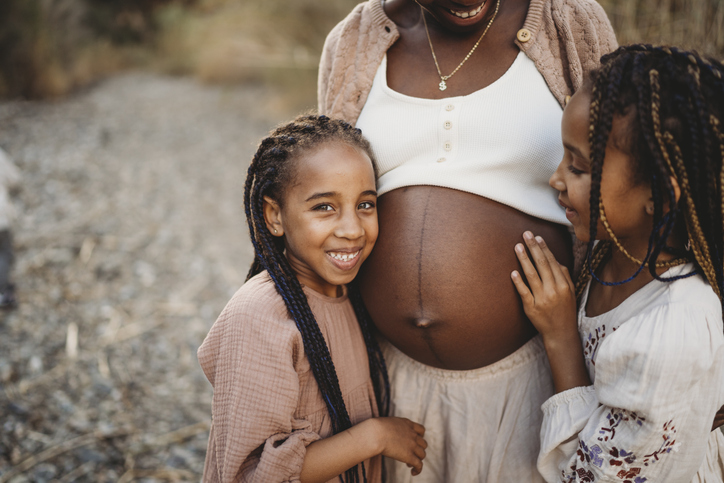
In a world brimming with vibrant cultures and unyielding resilience, the strength of Black women shines brightly, illuminating every space they occupy. Every year, we take a moment to celebrate this brilliance during Black Maternal Health Week — a time to honor the sacred labor of Black birth workers and doulas who elevate the experience of motherhood. Their dedication, rooted in ancestral wisdom and community solidarity, forms a bastion of support for Black mothers navigating the beauty and challenges of bringing life into the world. This year, as we uplift one another, a legal challenge emerging from Pasadena, California, reminds us that the fight for equitable care is far from over. Yet, it serves as a rallying cry for progress and unity among Black women everywhere, reinforcing our right to thrive in a society designed for our flourishing.
At the heart of this issue is a bold federal class-action lawsuit filed by Silvia Lopez-Navarro against the city of Pasadena, which has sparked a necessary conversation about maternal health care for Black women. The lawsuit raises critical questions about racial disparities in healthcare, particularly the pervasive ‘colorblind’ approach that often overlooks the unique needs of marginalized communities. Historically, Black women have faced significant barriers in accessing quality maternal health care, leading to alarming rates of maternal mortality and morbidity. According to the Centers for Disease Control and Prevention (CDC), Black women in the United States are three to four times more likely to die from pregnancy-related complications than their white counterparts. This stark reality underscores the importance of tailored care that acknowledges and addresses the specific challenges faced by Black mothers.








Moreover, the cultural significance of Black maternal health extends beyond the individual; it resonates deeply within communities. In many Nigerian cultures, motherhood is revered, steeped in tradition and celebrated through various rituals and ceremonies that honor the journey of bringing new life into the world. The role of mothers as leaders and caregivers forms the backbone of family structures and societal cohesion. As advocates for their well-being, doulas and birth workers within the diaspora embody this cultural reverence, providing holistic support that honors both the physical and emotional aspects of childbirth. The lawsuit in Pasadena serves as a reminder of the ongoing struggle against systemic injustices that threaten this sacred journey, while also inspiring a global movement toward equitable care for Black mothers everywhere.
🛍️ Shop Related Products
As an Amazon Associate, Goodlife Magazine earns from qualifying purchases.
The reaction to the lawsuit has been overwhelmingly supportive, with many voices championing the need for systemic change in maternal health care. Advocates from various sectors are joining forces to call for reforms that prioritize the health and safety of Black women during pregnancy and childbirth. Social media platforms have become a vibrant space for dialogue, with hashtags like #LetBlackWomenLive trending as a testament to solidarity and shared experiences. This collective voice is powerful—it not only amplifies the urgency of addressing disparities but also celebrates the resilience of Black women who continue to advocate for their rights and the rights of future generations. This movement resonates deeply within the Nigerian diaspora, where community networks and support systems remain integral to the maternal experience.
As we reflect on the implications of this lawsuit, it is essential to recognize its broader impact on the industry. Health care providers, policymakers, and community leaders are being urged to confront the realities of racial bias in maternal health care and to prioritize the development of culturally competent care models. This includes training for healthcare professionals to understand the unique challenges faced by Black mothers and implementing policies that ensure equitable access to resources and support. The focus on Black maternal health is not just a momentary trend; it represents a profound shift toward a more inclusive and compassionate healthcare system that recognizes the value of every mother, every child, and every community. The strength of our collective voice has never been more powerful, and together, we can create a future where Black women are celebrated, supported, and cherished throughout their motherhood journeys.
In conclusion, the vibrant tapestry of Black motherhood deserves to be celebrated and uplifted, and the recent lawsuit against the city of Pasadena is a vital part of this ongoing narrative. It is a call to action, urging us to continue advocating for the rights and well-being of Black women everywhere. By recognizing the historical context and cultural significance of this movement, we empower ourselves and future generations to demand better, to foster change, and to ensure that Black women can live, thrive, and embrace the beauty of motherhood unapologetically. Let us stand together in solidarity, celebrating the magic of Black mamas and the profound impact they have on our communities, culture, and the world at large.
🎬 Watch: Donald Trump Tells Oprah in 1988 What He Would Do as President
🛍️ Shop Related Products
As an Amazon Associate, Goodlife Magazine earns from qualifying purchases.
Source: madamenoire.com