



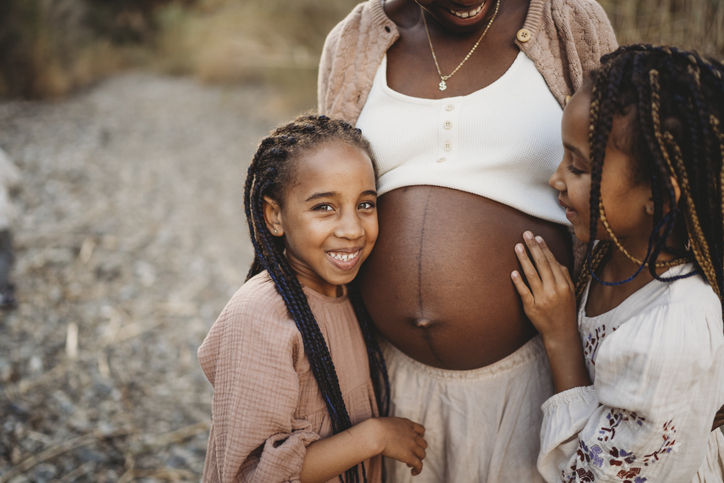
In a world where the brilliance of Black women often shines through the cracks of adversity, it is crucial to celebrate their strength, resilience, and creativity. Each year, we honor the sacred journeys of Black mothers and the incredible work of birth workers and doulas who stand beside them during one of life’s most transformative experiences. This past week, as we celebrated Black Maternal Health Week, a powerful wave of recognition surged through our communities, reminding us of the rich tapestry of cultural heritage that Black women embody. From the vibrant rhythms of Nigeria to the diverse diasporic narratives, Black motherhood is not just a story; it is a movement rooted in legacy, love, and unapologetic existence.
The recent filing of a federal class-action lawsuit against the city of Pasadena, initiated by Silvia Lopez-Navarro, a woman whose identity brings to light the complexities of race and care in America, has sparked a vital conversation about maternal health and the systemic issues that influence it. As we dive deeper into this unfolding story, we’re reminded of the significance of maternal health, particularly for Black women, who face stark disparities in health outcomes. In Nigeria and across the diaspora, the narrative of maternal care is interwoven with cultural practices, community support, and a collective commitment to uplifting one another. This lawsuit ultimately raises critical questions about how we perceive care and the importance of recognizing the unique experiences of Black women. It beckons us to reflect on our own maternal health systems and the stories we choose to amplify.




Historically, the conversations surrounding maternal health have often been overshadowed by systemic neglect and a lack of awareness. The 2020 CDC report highlighted that Black women in America are three times more likely to die from pregnancy-related complications than their white counterparts. Such statistics bring to light a troubling reality that resonates deeply in Nigeria, where maternal health issues remain a pressing concern. The cultural significance of motherhood in Nigerian society cannot be overstated; mothers are revered as the backbone of families and communities. The celebration of motherhood is seen through festivals, traditional rites, and community gatherings where the joys and trials of pregnancy and childbirth are shared. The lawsuit against Pasadena serves as a poignant reminder that the fight for equitable maternal care is not just an American issue—it is a universal struggle that echoes through the corridors of every culture. The need for acknowledgment and understanding of the unique challenges faced by Black mothers across the globe is paramount.
🛍️ Shop Related Products
As an Amazon Associate, Goodlife Magazine earns from qualifying purchases.
As we navigate through this narrative, it’s essential to recognize the cultural impact of birth workers and doulas, who play a pivotal role in supporting mothers. In Nigeria, traditional birth attendants (TBAs) have long been celebrated for their invaluable contributions, often serving as the first point of contact for expectant mothers. Their expertise, rooted in generations of knowledge, fosters an environment of trust and care. Similarly, in the diaspora, doulas are championing the cause of Black maternal health by advocating for informed choices and personalized care. This movement not only uplifts Black women but also encourages a broader conversation about the importance of culturally competent care. The class-action lawsuit shines a spotlight on the need for systemic change, urging health care systems to embrace diversity and prioritize the voices of those most affected by inequalities in maternal care.
In the face of adversity, the response from the community has been nothing short of phenomenal. As news of the lawsuit spread, social media platforms erupted with support for Black women and mothers, emphasizing the importance of solidarity and shared experiences. The hashtags #LetBlackWomenLive and #BlackMaternalHealth began trending, fostering a sense of unity that transcended borders. This collective affirmation of existence and resilience is a testament to the power of community. In Nigeria, similar movements are gaining traction, with organizations advocating for improved maternal health services and awareness campaigns aimed at educating communities about the significance of maternal care. The interconnectedness of our struggles creates a bridge of understanding across cultures, inspiring future generations to prioritize the health and well-being of mothers everywhere.
As we conclude this reflection on the pressing issues surrounding maternal health, it’s vital to recognize the inherent strength and beauty of Black women. The lawsuit against Pasadena is more than just a legal battle; it is a rallying cry for change, a reminder that every mother deserves to thrive. By fostering conversations that uplift and empower, we pave the way for a future where Black women are celebrated, supported, and allowed to live freely. Let us continue to honor their journeys, amplify their voices, and advocate for equitable care in every community. Together, we can create a world that cherishes the brilliance of Black motherhood, ensuring that all mothers—regardless of race or background—can write their own stories filled with joy, strength, and love.
🎬 Watch: Donald Trump Tells Oprah in 1988 What He Would Do as President
🛍️ Shop Related Products
As an Amazon Associate, Goodlife Magazine earns from qualifying purchases.
Source: madamenoire.com
5 Comments
Pingback: Serena Williams Returns to Tennis with Victoria Mboko
Pingback: Katseye’s Manon Hiatus Raises Bigger Questions About Black Women In Girl Groups
Pingback: Chlöe Brought the Drama, Halle Kept It Soft—and We’re Still Not Over It
Pingback: Black Opal
Pingback: 2021 CURLYTREATS Natural Hair Festival