

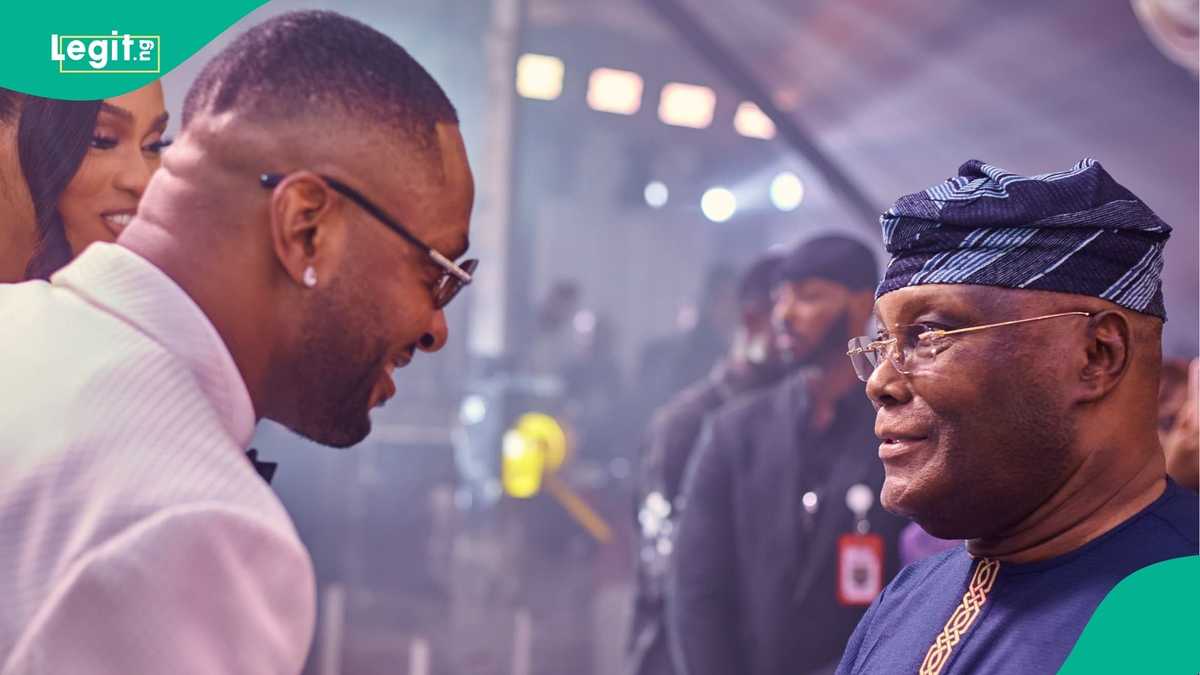
In a stunning display of social and political connection, Atiku Abubakar, Nigeria’s former vice president, recently made headlines by attending the much-anticipated wedding of ex-Big Brother Naija star Ikechukwu ‘Cross’ Okonkwo. The event, held on April 25 in Abuja, was not just a celebration of love but a convergence of Nigeria’s elite, blending the worlds of entertainment, politics, and personal ties. Atiku’s presence at the wedding signifies more than mere attendance; it underscores his longstanding relationship with the groom, whom he affectionately refers to as his godson. This familial bond highlights Atiku’s commitment to nurturing relationships that extend beyond the political arena, a refreshing reminder of the human connections that often get overshadowed by the complexities of Nigerian politics.
As he navigated from the National Opposition Summit in Ibadan to the wedding venue, Atiku’s whirlwind schedule has sparked conversations among Nigerians about his dedication to both familial ties and political responsibilities. His attendance was perceived as a strategic move, not just a personal gesture, illustrating how intertwined personal events have become with political undertones. Critics and supporters alike have taken to social media, sharing their opinions on whether such appearances are genuine expressions of support or calculated political maneuvers ahead of the upcoming 2027 elections. Atiku’s ability to balance these dual aspects of his life is a testament to his enduring influence in Nigerian society, where public figures are often scrutinized for their every action.


The wedding itself was a star-studded affair, drawing a plethora of celebrities and dignitaries from various sectors. The atmosphere was filled with glamour, laughter, and the warmth of friendship, serving as a much-needed respite from the often tumultuous political climate in Nigeria. Guests were treated to a lavish celebration that showcased not only the couple’s love but also the cultural richness of Nigeria. As attendees danced and mingled, the event became a microcosm of Nigerian society, reflecting the intricate connections between entertainment, politics, and personal relationships. Atiku’s participation in such a high-profile event serves as a reminder that politicians, too, are part of the cultural fabric of the nation, often engaging in the same celebrations and traditions that resonate with the public.
🛍️ Related Pick: Atiku Abubakar biography book
Reactions to Atiku’s attendance have been mixed, highlighting the polarized nature of Nigerian political discourse. Some people praised the former vice president for his commitment to family and community, while others criticized him for what they perceive as opportunism. Comments on social media ranged from admiration for his work ethic to skepticism about his motives. For instance, one user suggested that Atiku should step aside from the political arena, advocating for legacy over ambition, while another lauded his energy and commitment to coalition building. Such varied reactions illustrate the complexities of Atiku’s public persona—he is seen both as a seasoned politician and a relatable figure who values personal connections.
The discourse surrounding Atiku’s attendance also raises important questions about the role of social events in political strategy. In a country where public perception can significantly impact political fortunes, attending a celebrity wedding may be seen as a savvy move to connect with younger voters who idolize figures from the entertainment industry. As the 2027 elections approach, such gatherings could play a crucial role in shaping narratives and influencing public opinion. The interplay between personal relationships and political aspirations is a delicate dance that many politicians must navigate, and Atiku’s choices in this regard will undoubtedly shape his legacy in Nigerian politics.
As weddings and celebrations become platforms for political engagement, it remains to be seen how future events will be leveraged by politicians seeking to connect with their constituents. The blending of personal and political realms is not unique to Nigeria; it is a global phenomenon where leaders are increasingly turning to cultural events to bolster their public image. Atiku Abubakar’s attendance at Cross’ wedding may just be the beginning of a series of strategic social engagements as he positions himself for another run at the presidency. Ultimately, what remains clear is that in the vibrant tapestry of Nigerian life, the threads of entertainment, politics, and personal relationships are intricately woven, each influencing the other in profound ways.
As the dust settles from this high-profile wedding, Nigerians are left to ponder the implications of such events on their political landscape. Atiku’s ability to engage with the public through these celebrations could set a precedent for how future leaders approach their relationships with constituents. In a nation where the personal often intersects with the political, the importance of events like Cross’ wedding cannot be overstated. They serve as reminders that behind the political rhetoric and policies, there are human connections that drive the narrative of a nation. As conversations continue to unfold in the aftermath of the wedding, the anticipation surrounding Atiku’s next steps in the political arena grows, leaving many eager to see how this celebrated moment will influence the future of Nigerian politics.
Source: legit.ng